Long before the first raft slid into the Köprüçay, this was simply a wild river cutting through the Taurus Mountains — cold, clear and largely known only to the villagers of Beşkonak. How it became Turkey's most popular rafting run is a story about the water itself, the coast just south of it, and a sport that arrived and never left.
The river that made it possible
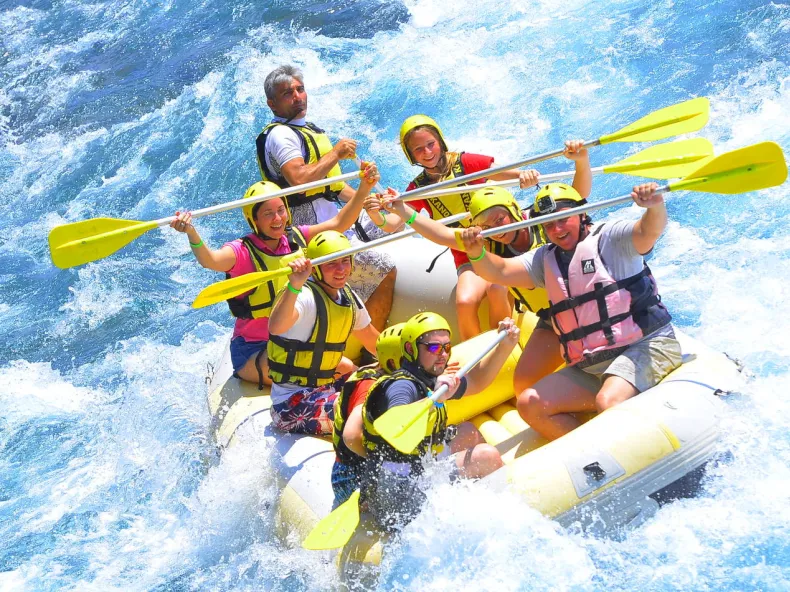
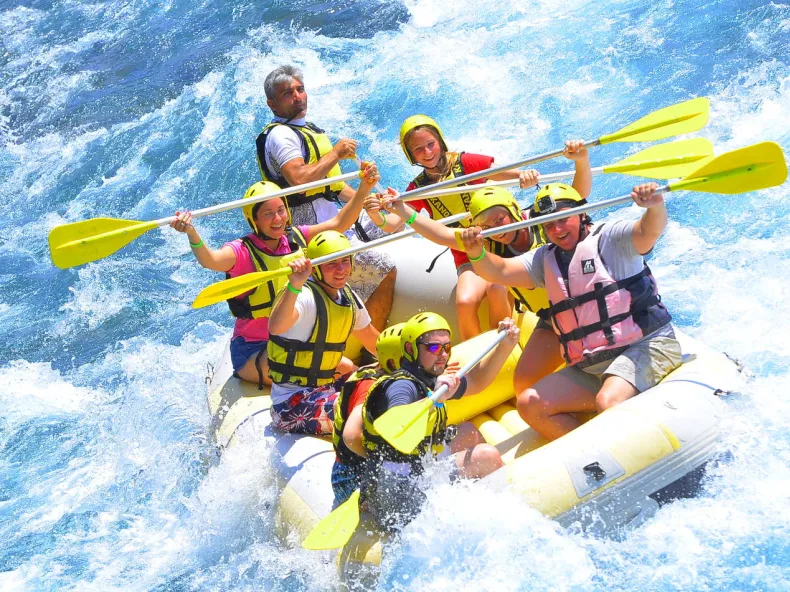
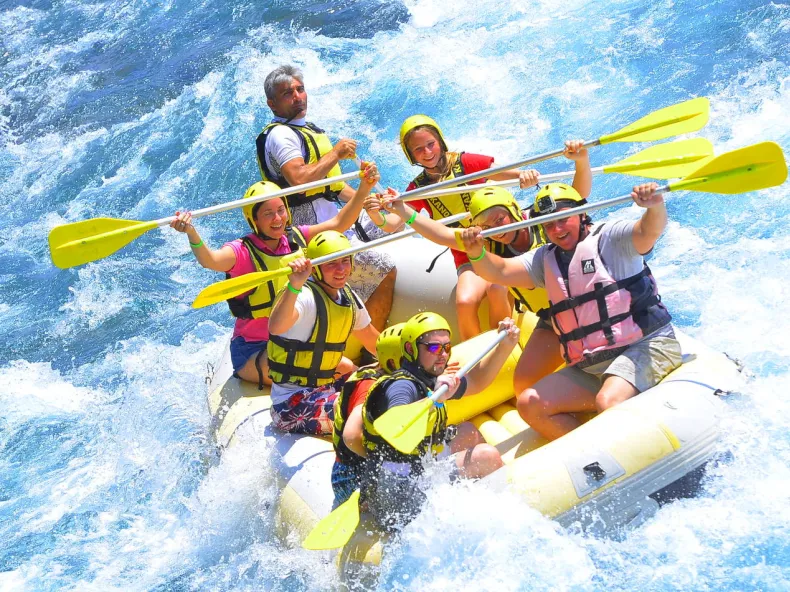
Everything begins with the Köprüçay. Fed largely by karst springs rising deep in the limestone of the Taurus range, the river stays cold and startlingly clear all summer, running a pale turquoise through the shaded heart of Köprülü Canyon. That combination — steady flow, cool water and modest, forgiving rapids — is unusually well suited to rafting. The classic run through the canyon covers around fourteen kilometres of grade II–III water: lively enough to thrill, gentle enough that first-timers and families can take part safely.
The canyon walls, cloaked in cypress and pine and protected as a national park, do the rest. Where many rivers offer either scenery or accessible whitewater, the Köprüçay offers both at once, threading past the ancient Roman-era Oluk Bridge and beneath hills that once held the Pisidian city of Selge. You can read more about the wider landscape in our guide to things to do in Köprülü Canyon.
The coast that brought the crowds
A great river alone does not make a rafting capital. What set Köprülü apart was its position. The canyon sits in the mountains north of Manavgat, within easy reach of the resort strip along Antalya's coast — Side, Belek, Alanya and Antalya city itself. As tourism along that coast grew through the late twentieth century, an enormous seasonal audience appeared on the doorstep: holidaymakers looking for a day away from the beach, up in the cool of the mountains.
The drive from the coast is short enough to be an easy day trip, yet just long enough to feel like a genuine expedition inland — climbing away from the heat into forest and river valley. That accessibility, more than anything, turned an adventurous novelty into a mainstream day out. For most visitors staying on the coast, rafting from Side became the natural gateway to the canyon.
The rise of the sport
Rafting arrived in the region as the wider outdoor-adventure movement reached Turkey in the closing decades of the last century. Small operators set up along the river near Beşkonak, and word spread quickly: here was whitewater that almost anyone could enjoy, in scenery worthy of the effort. Over the years the launch area around the village grew into a cluster of riverside camps and operators, and the Köprüçay quietly became the busiest rafting river in the country.
The appeal has always rested on the same qualities. The rapids are exciting without being intimidating. The water is clean and cold enough to be refreshing in the fierce Antalya summer. And the setting is genuinely spectacular — few rafting trips anywhere pass a bridge built in Roman times, or drift beneath the ghost of an ancient hillside city.
Köprülü today
Today the canyon draws visitors from every resort on the coast throughout the warm months. Some come only to see the Oluk Bridge or to climb the steep mountain road up to Selge; the long-distance St Paul Trail passes through the wider region for walkers. But rafting remains the signature experience — the way most people first meet the Köprüçay, paddle in hand, cold spray on their faces.
What has not changed is the river. The same karst springs still feed it, the same turquoise water still runs cold beneath the pines, and the same forgiving rapids still carry rafts down through the canyon much as they did when the first crews arrived. The history of rafting here is, in the end, the history of a very good river finally being discovered. You can browse the full range of trips on our tours page.
Ready to become part of the story? Join a raft on the Köprüçay and see the canyon the way it is best seen — from the water. Book your day rafting from Side and let the river do the rest.