Long before rafts drifted down the Köprüçay, people crossed these mountains on foot. The St Paul Trail keeps that older rhythm alive, and it runs close enough to Köprülü Canyon to make a fine pairing for active travellers.
What the St Paul Trail actually is
The St Paul Trail is one of Turkey's celebrated long-distance walking routes, a waymarked path that climbs from the Mediterranean coast up into the Taurus Mountains and across the interior of ancient Pisidia. It is named after the apostle Paul, who is traditionally associated with journeys through this part of Anatolia, and it strings together old roads, shepherds' tracks, forest, and the ruins of classical cities.
Like most great long-distance trails, it is not a single day out but a network you dip into. Walkers tackle it in sections over many days, or simply pick one memorable stretch. The waymarking follows the familiar red-and-white striped blazes used across Turkey's national trails, and the terrain rewards anyone comfortable on rough, hilly ground.
How it connects to Köprülü Canyon
The wider trail passes through the region around Köprülü Canyon National Park, the protected expanse of cypress and pine forest north of Manavgat where the Köprüçay carves its turquoise way through the Taurus. This is genuinely walkable country: karst springs feed cold, clear water, the air smells of resin, and the slopes rise steeply on either side of the river.
For hikers, the appeal is the way natural and human history overlap here. A Roman-era stone arch, the Oluk Bridge, still spans the Köprüçay, a reminder that these gorges were crossed and settled in antiquity. Following old routes on foot, rather than arriving by car, gives you a real sense of how travellers once moved through this landscape.
Selge: the reward in the hills
Above the canyon sit the ruins of Selge, an ancient Pisidian and later Roman city perched high in the mountains. Its most famous survivor is a large stone theatre, still commanding the slopes with long views over the surrounding country. Selge is reachable by a steep mountain road, but reaching it on foot, or combining a drive with a walk, turns a sightseeing stop into an expedition.
For anyone drawn to the St Paul Trail, Selge is exactly the kind of destination the route is built around: a classical city set in wild terrain, where the walking and the history are inseparable. Even a short circuit near the ruins, among weathered rock and forest, gives a taste of what the longer trail offers.
Planning a walk here
- Go prepared. This is mountain country. Take proper footwear, sun protection, and more water than you think you need, and check conditions before setting out.
- Mind the seasons. Spring and autumn are gentler for walking; high summer can be fiercely hot on exposed slopes.
- Respect the park. Köprülü Canyon is a protected national park and nature reserve, so keep to paths, carry out what you carry in, and tread lightly.
- Consider a guide. For longer sections, or for reaching Selge with confidence, local knowledge makes a real difference on unmarked or eroded ground.
Walk one day, raft the next
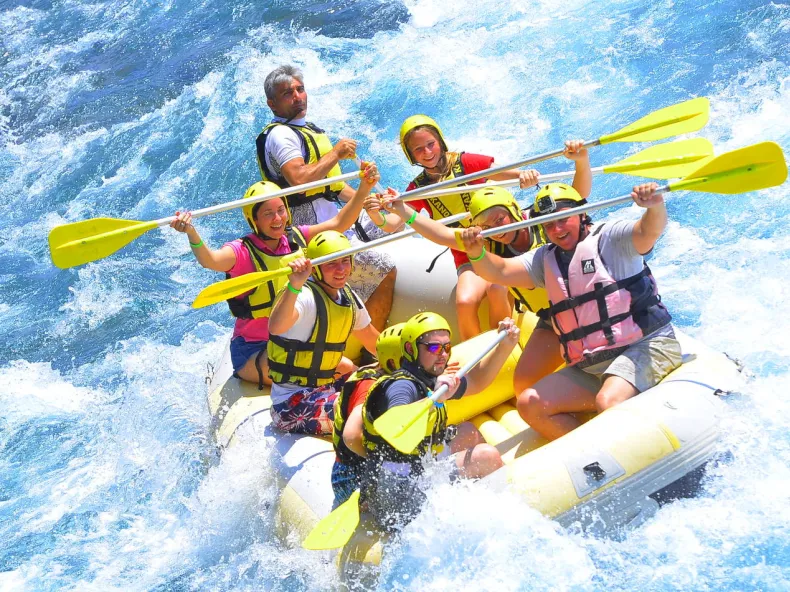
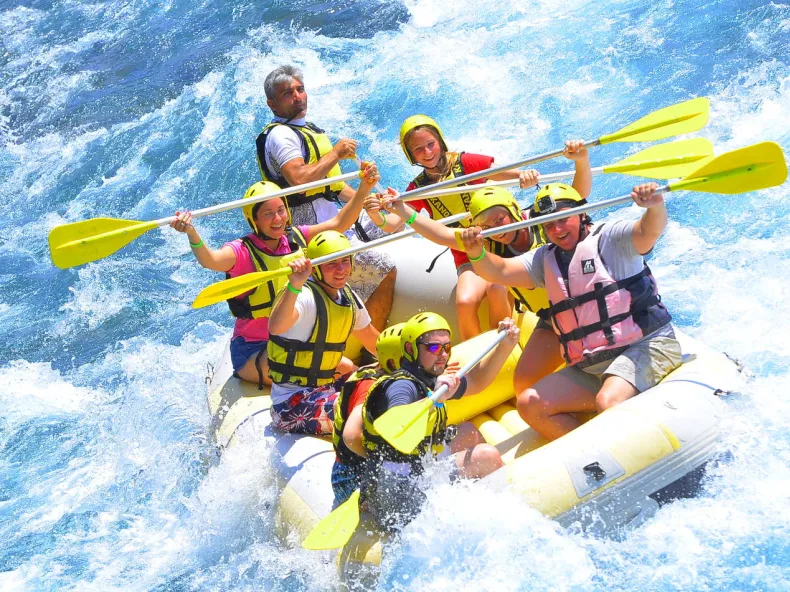
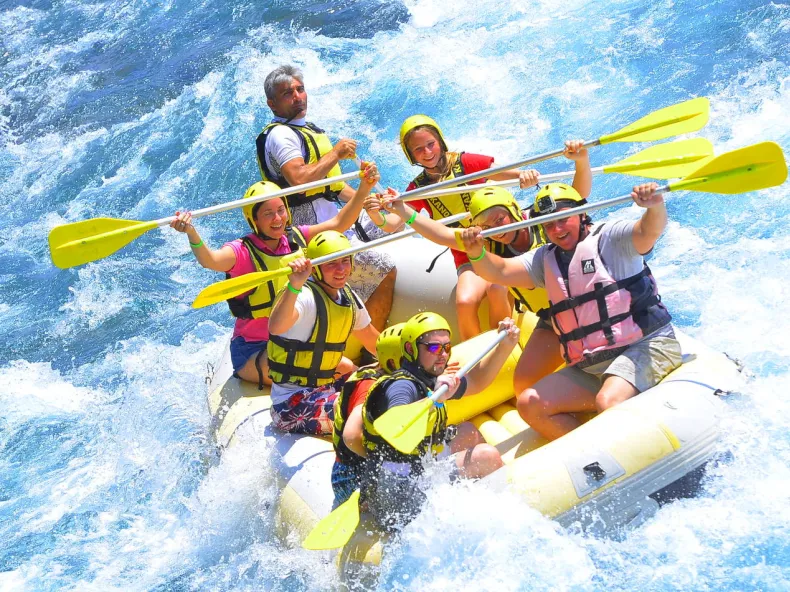
The beauty of basing yourself near the canyon is that you can meet the Köprüçay from both sides. One day you follow ancient footpaths and stand in the theatre at Selge; the next you are down at river level, riding the same water that shaped this landscape. Rafting on the Köprüçay is the classic grade II-III run of around fourteen kilometres, and most trips launch from the village of Beşkonak, the same corner of the park hikers love.
If you would like to see the canyon from the water as well as the ridgelines, browse the tours and think about adding a river day to your walking trip.
Lace up for the trail, then let the Köprüçay carry you. Explore Köprülü Canyon on foot and finish with a rafting day for the fullest picture of this remarkable corner of the Taurus.