Deep in the Taurus Mountains north of Manavgat, Köprülü Canyon National Park is one of Antalya's great wild places - a corridor of turquoise water, cypress and pine forest, and Roman-era stone.
Where is Köprülü Canyon National Park?
Köprülü Canyon National Park (Köprülü Kanyon Milli Parkı) lies in Antalya Province, in the folds of the western Taurus range. It sits north of Manavgat, and the village of Beşkonak is the usual gateway - the place most visitors pass through and where nearly all rafting trips launch. The drive up from the coast trades resort towns for pine forest, mountain switchbacks and the first glimpse of the river far below.
The park is a protected reserve, valued both for its dramatic geology and for the ancient sites tucked into its hills. It is close enough to the main resorts of the Turkish Riviera to visit in a day, yet remote enough to feel a world apart.
The landscape: a canyon carved by karst water
The heart of the park is the Köprüçay, the river that gives the canyon its shape and its colour. The Köprüçay is fed largely by karst springs - water that rises, cold and filtered, from the limestone of the Taurus. That is why the river stays strikingly clear and cold even in high summer, running in shades of turquoise and jade between grey rock walls.
Around the water, the slopes are clothed in cypress and pine forest. This is a genuine nature reserve, and the mix of steep rock, shaded gorge and open mountain gives it a character quite unlike the beaches an hour to the south. In the deeper sections the canyon narrows and the walls rise, while elsewhere the valley opens into forested terraces.
What to see in the park
The Oluk Bridge (Olukköprü)
The park takes its name - Köprülü means "with a bridge" - from its most famous structure. The Oluk Bridge is a Roman-era stone arch that spans the Köprüçay in a single graceful curve. Standing on it, you look straight down into the clear green water; it is one of the most photographed spots in the whole canyon, and an easy stop for anyone visiting by car.
Ancient Selge
High in the hills above the canyon lie the ruins of Selge, an ancient Pisidian and later Roman city. Reached by a steep mountain road, Selge is best known for its theatre, still commanding the mountainside, along with scattered remains among the rocks and olive trees. The setting - ruins against a backdrop of Taurus peaks - is as memorable as the stones themselves.
Forest, trails and the St Paul Trail
Beyond the headline sights, the park rewards slower exploration. Forest tracks and footpaths thread the slopes, and the long-distance St Paul Trail passes through the wider region, linking the coast with the mountain interior. For walkers, it is a way to experience the canyon on foot, at the pace the landscape deserves.
Rafting: the classic way into the canyon
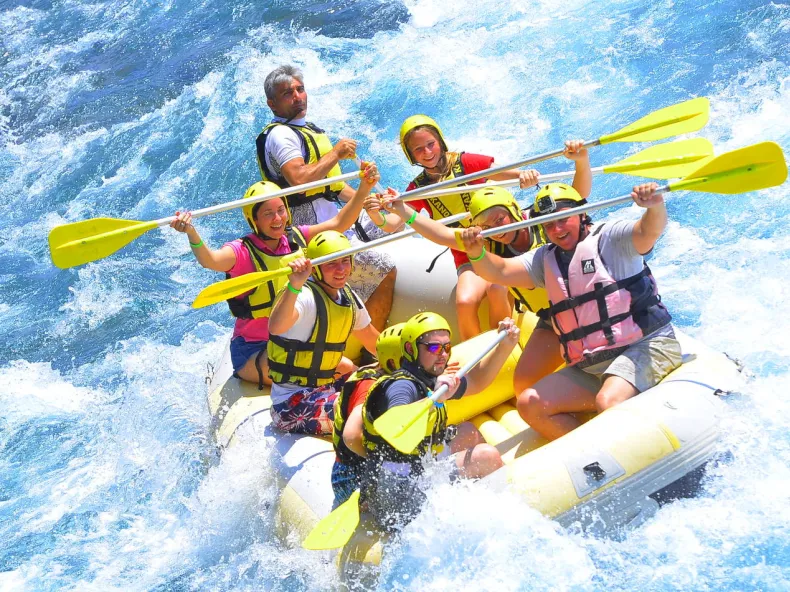
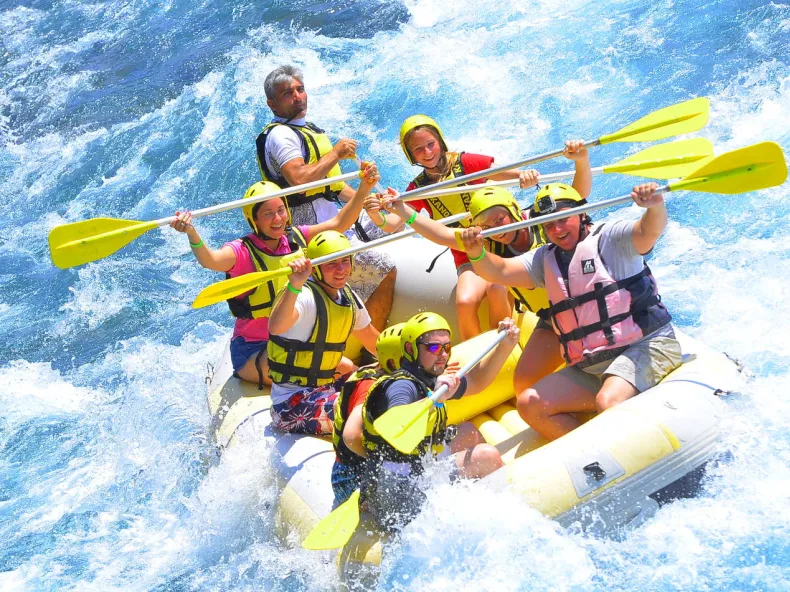
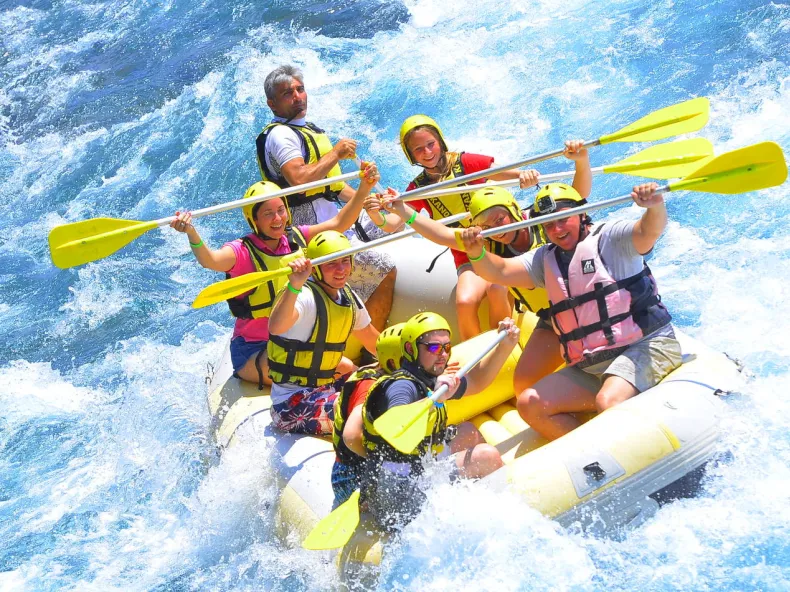
While you can reach the bridge and Selge by car, the most popular way to experience the park is from the water. Rafting on the Köprüçay follows the river through the gorge for around 14 kilometres, running gentle grade II-III rapids - lively enough to be fun, calm enough for first-timers and families. You drift beneath rock walls, pass under the old bridge, and feel the cold spring water on stretches where the current slows.
Trips launch from Beşkonak, and no experience is needed - guides handle the technical work while you paddle, float and take in the scenery from the best possible vantage: river level. It is, quite simply, the classic Köprülü Canyon day out. For the full picture of visiting, see our guide to things to do in Köprülü Canyon, and browse the available rafting tours to find the trip that suits you.
Ready to see the canyon from the water? Join a Köprülü Canyon rafting day and experience the turquoise Köprüçay, the Roman bridge and the forest the way the landscape is meant to be met.