Long before rafts ever traced the turquoise water of the Koprucay, the mountains above the gorge were already crowned by a city. That city was Selge.
Perched high in the Taurus mountains above Koprulu Canyon, Selge is one of the most atmospheric ancient sites in Antalya province. It was a Pisidian settlement that later flourished under Greek and Roman influence, and today its scattered ruins sit among pine forest and jagged limestone with the whole valley falling away beneath them. For visitors who come to the canyon for the rafting, Selge is the perfect reminder that this landscape has been shaping human lives for a very long time indeed.
Who were the people of Selge?
Selge was a city of the Pisidians, a fiercely independent mountain people of southern Anatolia known in antiquity for their toughness and their reluctance to be ruled by anyone. Guarded by the surrounding peaks and by the deep gorges of the Koprucay, Selge was naturally defensible and grew into a substantial and prosperous city.
Over the centuries it absorbed Greek culture and later Roman administration, minting its own coins and building the kind of civic monuments you would expect of an important regional centre. Its wealth is generally attributed to the fertile mountain terraces around it and to trade routes threading through the Taurus. What survives today reflects that long, layered history rather than any single moment.
The theatre and the ruins
The most striking survivor is Selge's theatre, carved into the hillside so that its seats look out across the mountains. Even in its ruined state it conveys the scale of the ancient city and the drama of its setting. Nearby you can trace the outlines of other public buildings, cisterns, and stretches of ancient street, all softened by wildflowers and grazed by the goats of the small modern village that now shares the site.
Because the ruins are spread across an open mountain landscape rather than fenced into a tidy archaeological park, walking among them feels like genuine exploration. Wear sturdy shoes, take water, and give yourself time to wander.
Selge and the wider landscape
Selge does not stand alone. It belongs to a remarkable corner of the Taurus where nature and history are wound tightly together. Below the city, the Koprucay runs cold and clear from karst springs deep in the mountains, threading through the protected Koprulu Canyon National Park near Beskonak. A well-known Roman-era humpback bridge still arches over the river downstream, part of the ancient network that once connected settlements like Selge to the coast.
Walkers may recognise the area from the long-distance St Paul Trail, which passes through this region and links a string of ancient sites and mountain villages. However you approach it, the sense is the same: layers of road, bridge, city, and river built up over thousands of years.
How to combine Selge with a rafting day
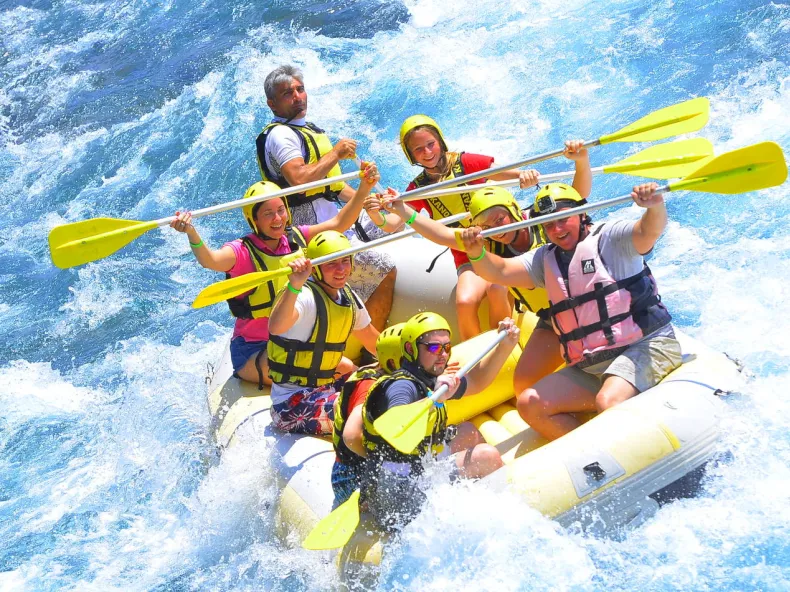
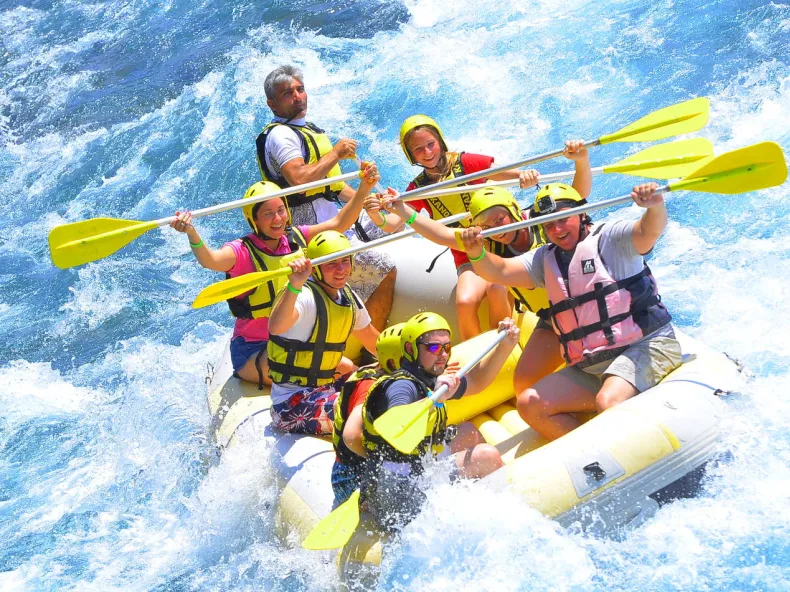
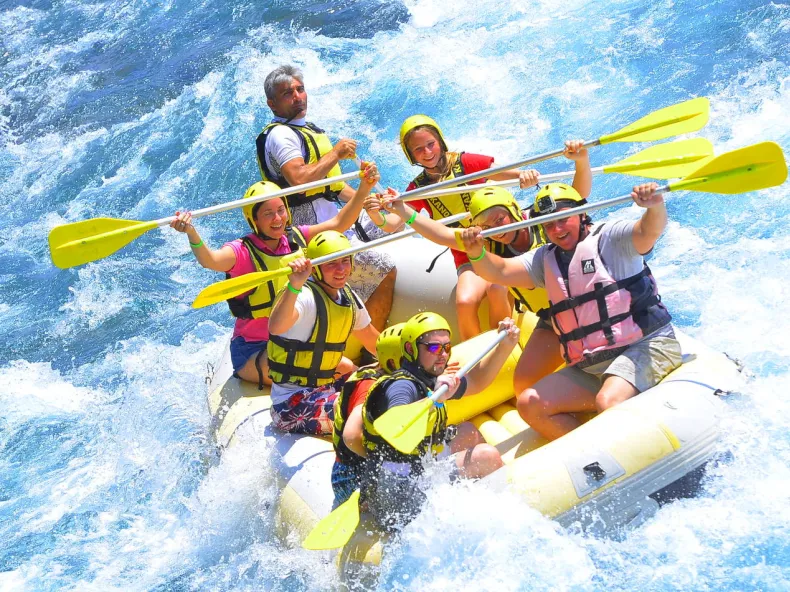
The most popular way to experience the canyon is on the water, and a rafting day makes an ideal anchor for a visit. A typical trip on the Koprucay covers around 14 kilometres of gentle grade II-III rapids, with cold snowmelt, a qualified guide, and all gear provided. Trips generally run in the warmer months, roughly April to October, with a morning hotel pickup and a return in the late afternoon or early evening.
Because the road up to Selge branches off from the same Beskonak valley that serves the rafting bases, many travellers choose to pair the two. Some visit the ruins first thing before the water warms, then descend for their run through the gorge; others make Selge a separate, slower half-day so they can linger over the views. If you would rather keep things simple, book your rafting adventure as the day's centrepiece and treat the ancient city as a scenic bonus on the drive.
Either way, seeing Selge from above and the Koprucay from within the canyon gives you two completely different perspectives on the same extraordinary landscape.
Ready to experience the gorge for yourself? Explore the full Koprulu Canyon experience and book your rafting day today.